The latest assessment tools
Training on VB-MAPP, ABLLS-R, AFLS, FAST, QABF and MAS.
Make a real difference to your scientific and practical skills with the QBA® program: once your supervision hours are complete, it qualifies you for the international behavior analyst credential from the QABA® board in the United States.
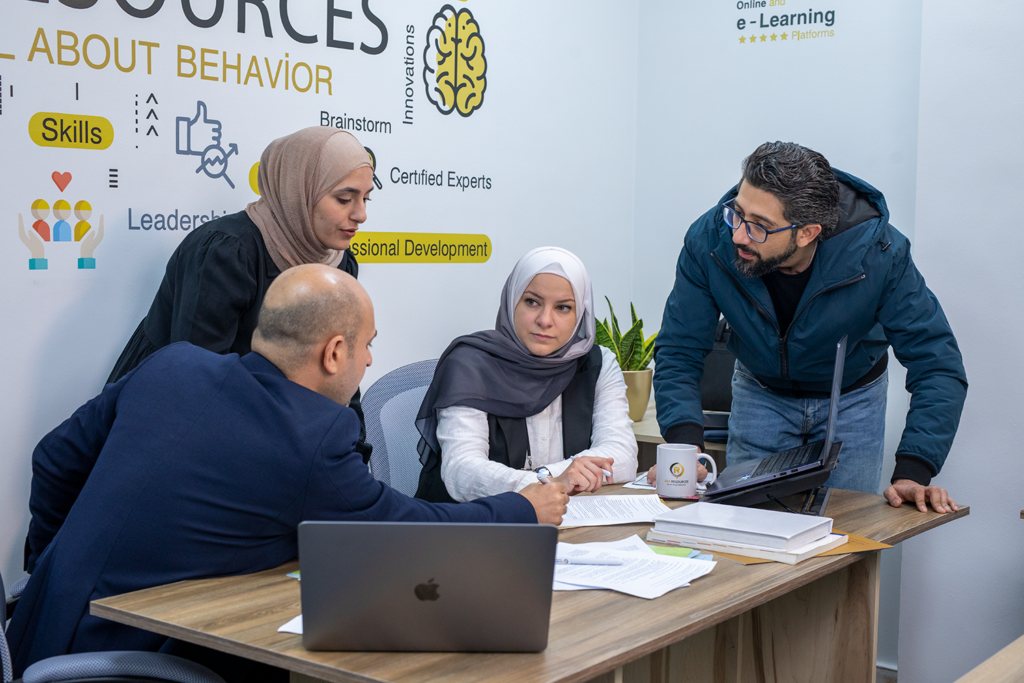
The QBA® program is for specialists with a master’s degree who provide specialized services to people with autism and developmental disorders. Participants learn to design and carry out treatment plans based on evidence-based practices with proven clinical results for people with autism spectrum disorder and developmental delay.
ABA Resources is accredited by the Qualified Applied Behavior Analysis Credentialing Board (QABA®) to deliver this program, meeting the requirements of more than 270 training hours. Once your supervision hours are complete and the international exam is passed, you earn the internationally certified behavior analyst credential, to lead assessment and program design and to supervise and train specialists.
If you want to advance your career, to assess, design programs, supervise and train specialists and lead teams with an international credential, this program takes you there systematically, through evidence-based interventions, because every child deserves the best.
Program detailsOur trainers are leading Arab experts with more than 15 years of experience, sharing their scientific and practical expertise so you can give your best to everyone who needs Applied Behavior Analysis services.
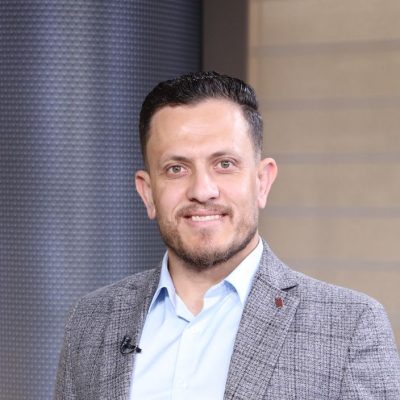
Clinical Psychologist

Board Certified Behavior Analyst (BCBA), Managing Director and Co-Founder

Special Education Specialist, Educational Consultant
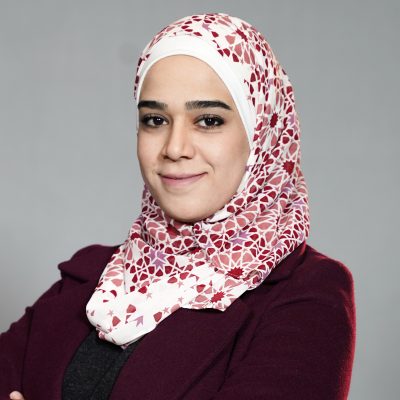
Qualified Behavior Analyst (QBA)
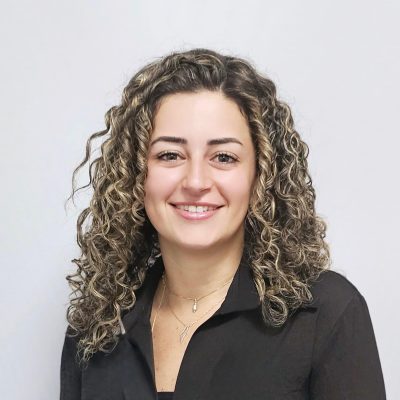
Board Certified Behavior Analyst (BCBA)
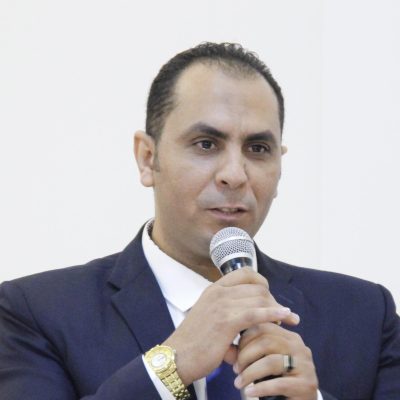
PhD in Speech and Language, Board Certified Behavior Analyst
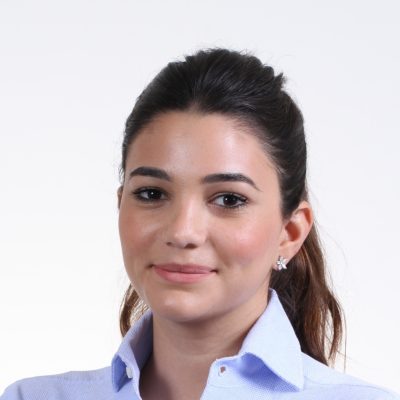
Board Certified Behavior Analyst–Doctoral (BCBA-D)
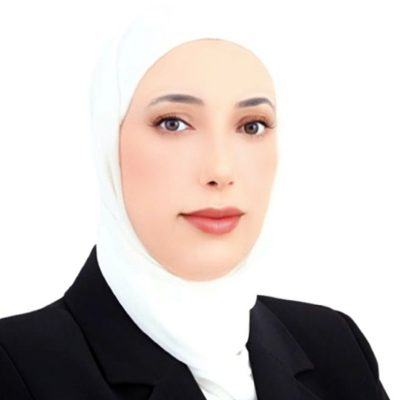
PhD in Special Education
The program equals more than 270 accredited training hours, in 11 topics. Open a topic to see what it covers.
Influencing factors, principles and educational considerations, and motor, emotional, cognitive and social development from childhood to adulthood.
Definition and characteristics, diagnostic criteria, early signs, risk factors and prevalence.
Definition and basic concepts, and a brief history of Applied Behavior Analysis.
Selecting and defining target behaviors, the concept and functions of measurement, the quality of behavioral measurement, and evaluating behavior change through data.
Graphs, multielement designs, and planning and evaluating behavior-analytic research.
Positive and negative reinforcement, schedules of reinforcement, positive and negative punishment, and extinction.
Stimulus control and motivating operations.
Stimulus equivalence, imitation and modeling, chaining, shaping, discrete trial training, verbal behavior and VB-MAPP.
Extinction, differential reinforcement and antecedent interventions.
Concepts and strategies.
ACT, self-management, RFT, BST, group therapy, the VB-MAPP, DTT and PRT protocols, the Early Start Denver Model, the ethics code and supervision standards.
Alongside the curriculum, the program includes:
Training on VB-MAPP, ABLLS-R, AFLS, FAST, QABF and MAS.
Level 1 training.
Based on the latest research and the ethics code: a roadmap for designing and running individual programs.
Exams are taken online on the site, with the result shown as soon as they are finished.
Hear from our trainees about their experience and the difference the training made to their work.
Live online in Arabic with leading Arab experts. Pay in full, or in 4 to 6 installments.
More than 270 QABA®-accredited training hours.
7 to 8 months.
A master’s or doctoral degree in Applied Behavior Analysis, psychology, special education, education, rehabilitation sciences or a related field.
For QBA®: 100 supervision hours, equal to 5% of 2,000 work hours. For IBA®: 75 supervision hours, equal to 5% of 1,500 work hours. You can start them with the program, midway or after finishing it, as suits you.
No: supervision is the second requirement, after completing the program’s study hours.
It is offered in Arabic and in English.
No: any internationally certified behavior analyst (BCBA or QBA) anywhere in the world can supervise you, and our supervisors are ready to help you arrange it.
Yes: pay in full, or in 4 to 6 installments. Contact us to arrange them.